Category: Amazon Product Photography

  • How Do You Know If You’re Hiring the Right Amazon Photographer?

    How Do You Know If You’re Hiring the Right Amazon Photographer?

    Hiring the right Amazon photographer can be the difference between a listing that gets ignored and a listing that converts consistently. Product images are the first thing a shopper sees, and on Amazon, where customers can’t touch or experience products in person, visual quality becomes the deciding factor. As more sellers enter the marketplace, Amazon photography has evolved into a specialized field with strict standards and high expectations. So how do you know if you’re choosing the right professional for the job? Here are key signs to look for before investing in a photographer or studio.

    1. They Understand Amazon’s Image Requirements

    A great Amazon photographer understands more than just lighting and composition—they understand the rules. Amazon is strict with its listing guidelines, and failing to meet them can lead to image rejection or suppressed listings.

    Professionals who specialize in Amazon photography know how to create compliant main images with pure white backgrounds, accurate color representation, and proper cropping. They can also deliver supporting images that meet size requirements for zoom functions, which is critical to shopper confidence.

    If a photographer doesn’t mention Amazon’s specific standards, it may be a red flag. You shouldn’t have to educate them on the basics.

    2. They Focus on Conversion, Not Just Pretty Pictures

    There’s a big difference between great general photography and high-performing Amazon photography. What matters is not whether the images look “cool” — but whether they sell products.

    A professional Amazon photographer should understand what drives conversions on the platform. This includes presenting scale, highlighting materials, showing functionality, and visualizing the product in use.

    Every photo should tell buyers something they didn’t know, solve a concern, or enhance trust. Successful listings don’t just look attractive — they communicate value in a way that drives clicks, time-on-page, and conversions.

    3. They Have a Portfolio Specifically for E-commerce

    Portfolios say more than words. However, be mindful: a strong wedding or portrait portfolio doesn’t automatically translate to Amazon expertise.

    You want a photographer who can show you examples of Amazon photography projects, especially in your product category. Look for:

    • Clear, evenly lit images

    • Consistent styling

    • Uniform background

    • Sharp, color-accurate details

    • Lifestyle scenes with clean composition

    Different products require different photographic strategies. Apparel, electronics, beauty, and home goods each need a unique approach. A qualified Amazon photographer understands those nuances.

    4. They Offer Creative Assets Beyond the Main Image

    A strong listing today needs more than a single white-background photo. Amazon allows up to nine images, and successful sellers use those slots strategically.

    Look for a photographer who can deliver a complete visual package, including:

    • Lifestyle images

    • Infographics

    • Comparison shots

    • Packaging images

    • Scale demonstration

    • Texture or material close-ups

    Amazon photography today is part storytelling, part persuasion. If a photographer only shoots the main image, they may not understand what drives modern conversions.

    5. They Use Professional-Level Equipment and Techniques

    Equipment doesn’t guarantee skill, but the right tools make a noticeable difference. Amazon shoppers often zoom in, so image clarity and detail matter.

    Signs of a professional workflow include:

    • Full-frame cameras

    • Soft, controlled lighting

    • Color-accurate monitors

    • High-end lenses

    • Clean post-production

    Ask them about their process. A skilled Amazon photographer will confidently explain how they capture accurate textures, eliminate glare, and maintain consistent color.

    6. They Understand Branding and Market Positioning

    Amazon isn’t only a marketplace—it’s a competitive environment. Your images don’t just need to comply with Amazon—they need to stand out from competitors.

    Great photographers study similar listings, identify weaknesses, and highlight strengths. They’ll ask questions about your brand, customers, and pricing strategy because visuals should support your positioning.

    If you’re hiring someone who doesn’t talk about differentiation, they’re simply taking pictures—not producing assets that drive revenue.

    7. They Offer Clear Pricing and Transparent Deliverables

    A professional should provide straightforward pricing and clearly defined deliverables, including:

    • Number of images

    • Image types

    • Retouching level

    • Turnaround time

    • Ownership/usage rights

    Beware of vague quotes. Transparency protects both sides and sets expectations early.

    8. They Communicate Clearly and Consistently

    Creative work still depends on professionalism. The photographer you hire should respond quickly, answer questions directly, and maintain a collaborative tone.

    Reliable communication is especially important for Amazon sellers, who often work with tight schedules and product launch timelines. Poor communication can lead to missed deadlines and lost revenue.

    9. They Care About Your Results

    The best Amazon photographers take pride in knowing their work drives real performance. They may ask about:

    • Your target audience

    • Product pain points

    • Competitor examples

    • Customer reviews

    They may even make suggestions for packaging, props, or styling. This is someone invested in more than just the paycheck—they’re focused on outcomes.

    Final Thoughts

    Choosing the right Amazon photographer isn’t just about budget—it’s about finding a partner who understands the business of e-commerce and the psychology of online shopping.

    Strong Amazon photography helps customers understand the product, feel confident, and make faster decisions. That translates into measurable conversions and long-term sales growth.

    When reviewing candidates, look for expertise, strategic thinking, and a proven record of Amazon-specific work. In the crowded online marketplace, your images aren’t just visuals—they’re your most valuable sales tool.

    Invest wisely, and you’ll see the difference not just in your listings, but in your bottom line.

  • Why Lighting Makes or Breaks Your Amazon Product Photos

    Why Lighting Makes or Breaks Your Amazon Product Photos

    Lighting is the unsung hero of every great product photo. It shapes the mood, highlights texture, defines color accuracy, and ultimately determines whether a product looks irresistible—or gets scrolled past. For photographers, especially those stepping into the world of Amazon product photography, understanding light is not just a skill, it’s a craft that separates professional images from amateur ones.

    When you browse through Amazon, you’ll notice that all the best-selling listings have one thing in common—crisp, well-lit images that capture every detail with precision. These photos don’t happen by chance. They’re the result of deliberate lighting choices, made by professionals who understand that light is as vital to photography as oxygen is to life.

    The Power of Light in Amazon Product Photography

    Light does more than illuminate—it tells a story. On Amazon, where customers can’t touch, feel, or experience the product in person, your images have to communicate everything. The sheen of a watch face, the softness of fabric, or the gloss of a skincare bottle—all depend on how light interacts with the subject.

    For photographers working on Amazon listings, lighting serves three main functions:

    1. Revealing detail – The right lighting ensures sharpness and definition so customers can see exactly what they’re buying.

    2. Creating dimension – Good lighting gives a 3D feel to a 2D image, helping products stand out instead of looking flat.

    3. Setting tone and mood – Light direction and intensity affect the mood of an image. A soft, diffused glow can make skincare products look luxurious, while a hard-edged light can emphasize the ruggedness of outdoor gear.

    When light is managed skillfully, the product appears authentic and premium. When it’s not, even the most expensive items can look cheap or dull.

    Natural vs. Artificial Lighting

    One of the most common questions new photographers ask is whether to use natural or artificial light. The answer depends on the type of product, the desired style, and the level of control you need.

    Natural Light works beautifully for lifestyle or organic products. It creates a soft, relatable aesthetic that feels warm and inviting. Shooting near a large window or outdoors on a cloudy day gives even, diffused light that flatters most products. However, the downside is unpredictability—cloud cover, time of day, and weather all affect consistency.

    Artificial Light, on the other hand, offers complete control. Studio strobes, continuous LED panels, or even speedlights can be adjusted to maintain the same look across hundreds of product photos. This consistency is crucial for Amazon listings, where uniformity strengthens brand identity and helps buyers trust your professionalism.

    Most experienced Amazon Photographers prefer artificial lighting for precisely this reason—it ensures every image looks the same regardless of when or where it’s shot.

    The Role of Diffusion and Direction

    Raw, direct light can be harsh. It creates strong shadows, blown-out highlights, and unwanted reflections—especially problematic when shooting shiny or reflective products like jewelry, glass, or metal. That’s where diffusion comes in.

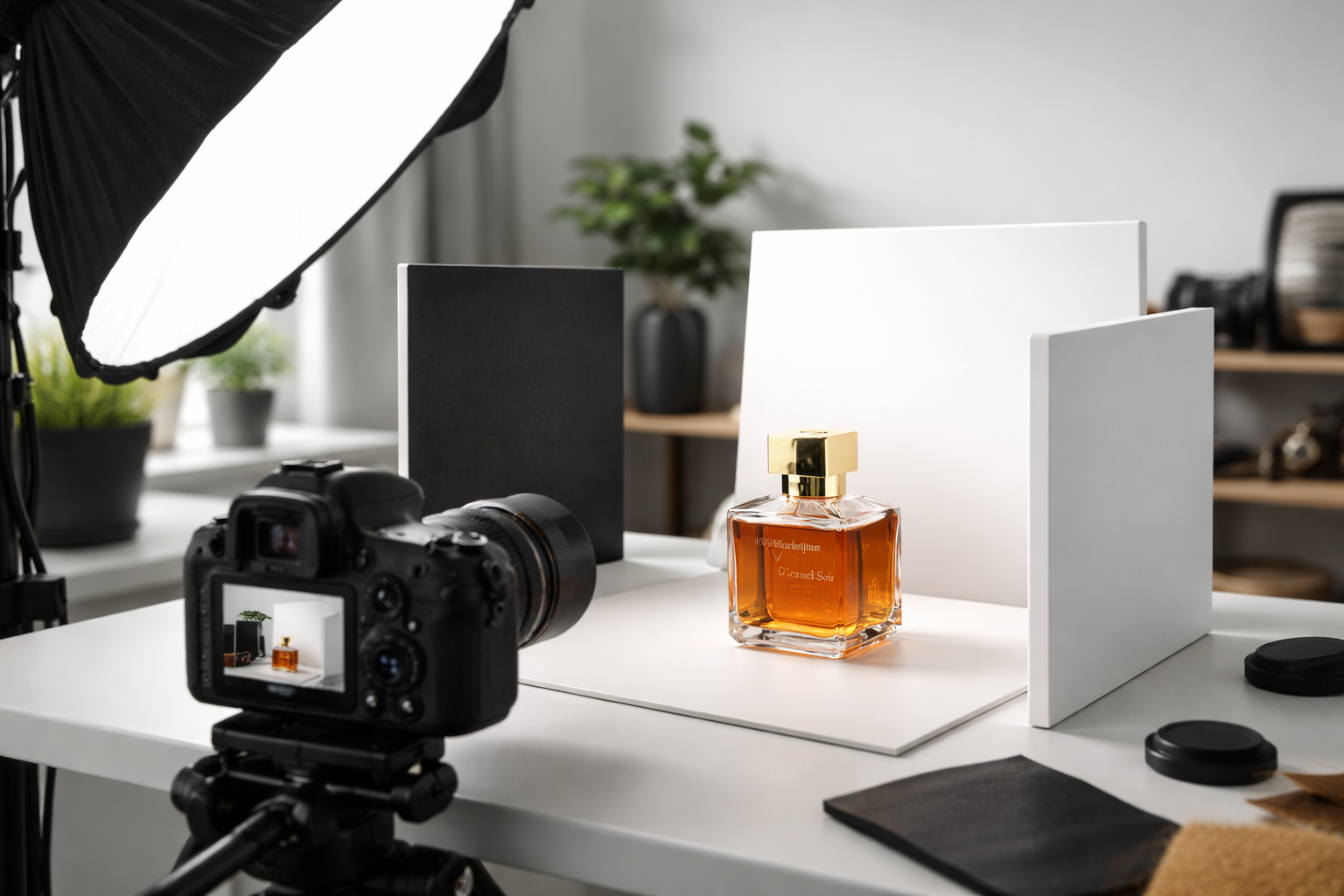
    Using softboxes, umbrellas, light tents, or diffusion panels can soften the light, wrapping it gently around the product. This reduces harsh contrasts and creates a pleasing, natural look. For smaller items, a tabletop light tent can produce beautiful results by diffusing light from all directions.

    Equally important is direction. Front lighting may flatten a subject, while side or back lighting can add depth and drama. Experimenting with angles helps reveal textures or create a sense of realism. For example, photographing a leather wallet with side lighting emphasizes its grain, giving it a tactile quality that translates well online.

    Managing Reflections and Shadows

    Reflections can make or break your product shot—especially for shiny objects like watches, bottles, or electronics. They can either add elegance or become distracting blemishes. Controlling reflections requires patience, precision, and sometimes creative problem-solving.

    Photographers often use polarizing filters to reduce glare and unwanted reflections, or position lights at strategic angles so that the reflection enhances the image rather than detracts from it. For reflective surfaces, large diffused light sources work best, as they create smooth gradients instead of sharp highlights.

    Shadows, too, play a vital role. Soft shadows can give a product a sense of grounding and realism, while hard shadows may look unflattering. On Amazon, subtle shadows often help a product “pop” off the white background, giving it dimension without distracting from its details.

    The Importance of Consistency

    One of the hallmarks of a professional Amazon Photographer is consistency. Every product image in a catalog should look like part of a cohesive visual story—same exposure, color balance, light direction, and shadow tone.

    This level of uniformity builds trust with the viewer. It makes your listings appear more reliable and polished, which directly influences buying decisions. Consistent lighting also simplifies post-processing and ensures that your images comply with Amazon’s strict image guidelines (pure white backgrounds, accurate color representation, no harsh shadows).

    Creating a repeatable lighting setup—marking positions, distances, and light settings—helps maintain that consistency. Whether you’re shooting 10 or 1,000 products, the lighting should make your work instantly recognizable.

    How Lighting Impacts Post-Processing

    Good lighting minimizes the need for excessive editing. While retouching is still part of the process, great lighting reduces the time spent correcting exposure or removing reflections. A well-lit photo retains more detail in highlights and shadows, allowing for cleaner edits and better color accuracy.

    When lighting is poor, even the best post-production work can only go so far. Overexposed highlights lose texture, and underexposed shadows create noise when brightened. In short, you can’t fix what light didn’t capture.

    Think of lighting as the foundation—editing should enhance, not rescue, your images.

    Creative Lighting for Standout Shots

    While most Amazon product photos aim for clean, consistent, white-background shots, creative lighting can help your secondary or lifestyle images stand out. Colored gels, rim lighting, or controlled reflections can give your brand personality and make your gallery more engaging.

    For instance, adding a subtle backlight can highlight the transparency of liquids, while a top-down spotlight can draw attention to a specific feature. These artistic touches give customers a richer visual experience and differentiate your listings from competitors.

    Investing in Light Is Investing in Quality

    For aspiring product photographers, lighting gear may seem like an expense—but it’s actually an investment in quality and professionalism. You don’t need the most expensive lights to start; even affordable LED panels or continuous lights can deliver stunning results when used correctly.

    The key is learning to see light—its direction, color, and intensity—and how it interacts with different materials. Once you master that, your images will naturally start to look more polished, more intentional, and more commercial.

    In the competitive Amazon marketplace, where every pixel counts, great lighting is what turns a simple photograph into a persuasive sales tool.

    Final Thoughts

    Lighting is not just a technical aspect of photography—it’s the essence of visual storytelling. Whether you’re an aspiring Amazon Photographer or an experienced professional, mastering light will elevate your product imagery to the next level.

    It determines how potential buyers perceive your product, your brand, and even your credibility. When done right, lighting transforms ordinary items into must-have products that command attention and drive conversions.

    In product photography, as in all great art, light is everything. Learn to control it, and you’ll control the viewer’s eye—and their buying decision.